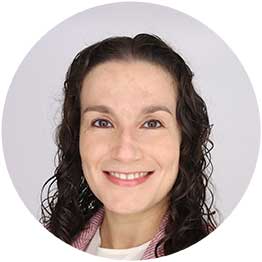
Alice Gallo De Moraes, MD, FCCP
Alice Gallo De Moraes, MD, FCCP
Rethinking traditional techniques and exploring new applications will unite and inspire critical care clinicians at CHEST 2026, October 18 to 21 in Phoenix.
“Every time I go to CHEST, it feels like I’m coming home,” said Alice Gallo de Moraes, MD, FCCP, Chair of the CHEST 2026 Critical Care Curriculum Group and Chair of the CHEST Critical Care Network. “A lot of work has gone into making these must-attend sessions, with fantastic offerings for critical care clinicians of every experience level.”
Dr. Gallo de Moraes highlighted some sessions she’s especially excited for, such as On the Line: Vascular Access Controversies in the ICU.
“With vascular access, we used to think, ‘Everybody needs a central line, everybody needs an arterial line.’ And those sorts of absolute truths have been challenged lately,” Dr. Gallo de Moraes said. “We have a lot of new data showing that we don’t necessarily need central lines to do small doses of pressors. And we probably don’t necessarily need arterial lines for everybody who is in shock.”
The session will explore best timing of central line placement for vasopressor infusion, pros and cons of arterial line placement, and promises and potential pitfalls of invasive hemodynamic monitoring.
Exploring bedside technology
Other fascinating sessions will delve into new applications of bedside technology, said Dr. Gallo de Moraes. Clinical Integration of Advanced Critical Care Echocardiography will take point-of-care ultrasound (POCUS) training to the next level, highlighting real-world applications of advanced echocardiographic techniques, including noninvasive right heart hemodynamic assessment, left ventricular diastology, and evidence-based measures of volume responsiveness.
“This session will include case presentations and panel discussions of advanced POCUS techniques for patients in the ICU who are mechanically ventilated,” Dr. Gallo de Moraes said.
Meanwhile, Operationalizing POCUS in Practice: A Multidisciplinary Approach Focused on APP Integration is a must-attend for intensivists who work in the ICU with advanced practice providers (APPs), Dr. Gallo de Moraes emphasized. “This session is going to talk about credentialing advanced practice providers in POCUS and ways to overcome barriers to developing point-of-care proficiency.”
Practical approaches to new sepsis guidelines
An update on the 2026 sepsis guidelines published by the Society of Critical Care Medicine and European Society of Intensive Care Medicine is crucial for understanding their practical applications, Dr. Gallo de Moraes said.
“Dr. Laura Evans will give us a summary of what’s new in the guidelines, and our wonderful Vice-Chair of the Critical Care Network, Dr. Katie Pendleton, is going to talk about practical approaches and the implementation of the new guidelines. And crowd-pleaser, mentor to all Dr. Steven Simpson will talk about combining the new guidelines and the [Centers for Medicare & Medicaid Services] requirements for SEP-1.”
Emphasis on neurocritical care
Attendees will find many hot topics in neurological critical care as well, said Dr. Gallo de Moraes. Death by Neurological Criteria: Challenging Cases will explore how factors like extracorporeal membrane oxygenation support, pregnancy, and severe traumatic brain injury can alter vital markers and complicate diagnosis.
The session Multimodal Neuroprognostication After Cardiac Arrest examines the “grey zone” with prolonged encephalopathy, delayed awakening, and cognitive motor dissociation that creates uncertainty and ethical complexity around prognosis.
“It’s important to highlight neurocritical care because a lot of ICUs in big academic centers are very subspecialized—neuro ICU vs medical vs surgical vs transplants and so on,” Dr. Gallo de Moraes said. “But a lot of our attendees who are not in large academic centers see neurocritical care cases in general ICUs as well, and this session is going to be very helpful, particularly for people who work in mixed ICUs.”
Mid-career critical care physicians should plan to attend Mastering Patient-Ventilator Synchrony in Invasive and Noninvasive Ventilation, which will teach attendees how to leverage advanced assessment tools, including esophageal manometry and bedside ultrasound, to recognize and treat dyssynchrony. “The best thing about this session is how multidisciplinary it is,” said Dr. Gallo de Moraes. “We have a respiratory therapist presenting, as well as intensivists at different levels of their career.”
Return of podcasters and popular year in review sessions
The popular ICU Ed and Todd-Cast will be live on-site at CHEST 2026, where the hosts will dissect, interpret, and discuss the clinical contexts of some of the best critical care studies presented at the meeting and recently published in the CHEST® journal.
Podcast Co-Host Todd Rice, MD, MSc, will also present Critical Care Master Class: New Horizons in Refractory Septic Shock, diving deep into the management of refractory septic shock where there is conflicting literature and/or sparse evidence. “Dr. Kristin Burkart will also talk about alternatives to classic pressors like methylene blue,” Dr. Gallo de Moraes said.
And there are the always fantastic Critical Care Year in Review sessions, she added. The sessions are excellent for junior fellows and fellows in general, covering the most groundbreaking findings of 2025 and early 2026 and providing the perfect forum for reviewing the “must knows” for critical care board exams in October. “It’s so popular that we’re expanding the size of the room for 2026.”
In addition to the phenomenal scientific and educational program, it’s the camaraderie, networking, and mentorship that make the CHEST Annual Meeting unmissable, Dr. Gallo de Moraes emphasized. “Mentors brought me to CHEST, and mentors—both peers and senior physicians—have kept me at CHEST,” she said. “This October in Phoenix, we are all coming home.”
READ ALL CHEST 2026 BLOGS »