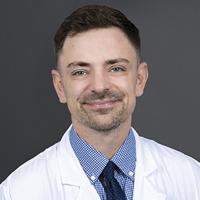
Perry Tiberio, MD, PhD
I learned the value of hiding who I was at the age of 13.
In 1996, my sanctuary was the musical RENT. When I was home alone, I pressed the headphones tight against my ears, turned the volume up, and sang “One Song Glory” at the top of my lungs. I let everything out. Tears streamed down my face as I held onto the hope that my life could someday be meaningful.
When the music stopped and the final notes faded into the refrain of “Will I?”, that sense of safety vanished. I was terrified that no matter what I achieved, I would eventually lose my dignity in a world that did not want me. I made a promise to that younger version of myself: If he could endure and make it into medicine, he would finally be safe.
For a long time, I believed the white coat would be enough. I thought that becoming a pulmonary and critical care physician meant I had earned the right to stop looking over my shoulder.
Recently, that familiar fear has returned.
The human cost of withdrawal
The walls of the ICU cannot fully insulate us from the world outside. Recent losses in our broader community, including the deaths of Alex Pretti, a dedicated ICU nurse, and Renee Good, a poet, mother, and wife, have echoed through our professional spaces. Beyond the tragedy of their deaths is the pain of watching how easily dignity can be stripped away when identity becomes the focus, rather than humanity.
When the life of a caregiver or the dignity of a parent is treated as a provocation, something shifts. It awakens the instinct to assess risk and retreat. In moments like these, withdrawing into a neutral professional shell can feel protective.
A history of caring for our own
When the impulse to withdraw feels strongest, I look to our history. The LGBTQ+ community has long understood that visibility is not about provocation, but survival. During the HIV/AIDS pandemic, organizations like ACT UP demonstrated that absence carried its own deadly cost. By insisting on visibility, they transformed drug development, patient representation in clinical trials, and the relationship between clinicians and the communities they serve.
Clinicians, activists, and advocates stood together when institutions failed them. They did not wait to be granted dignity. They claimed it by refusing to disappear, including within the halls of medicine.
Standing with professional pride
As I begin my work with the LGBTQ+ at CHEST Interest Group Steering Committee, I recognize that this visibility is intentional. It is not a political statement. It is a professional and clinical one. Being seen matters for trainees who are still hiding and for patients who wonder whether they will be treated with respect and compassion.
Visibility, in this context, is an act of care.
We owe it to our patients, to our colleagues, to the memory of those we have lost, and to those who came before us to remain present with integrity and professionalism. The space we occupy in medicine was hard won. We cannot allow it to shrink.
A call to the CHEST community
To my fellow clinicians and allies, the instinct to withdraw is understandable, but it is not benign. As a professional society committed to dignity, equity, and evidence-based care, we have a responsibility to one another and to those we serve.
We will mourn our losses. We will support one another. We will continue to show up in our ICUs, clinics, and leadership spaces with clarity and compassion.
In our work and in our values, there is no day but today.
JOIN THE LGBTQ+ AT CHEST INTEREST GROUP »